




Your Business Name is Your First Asset
A Guide to Naming, Branding, and Legal Protection in Africa
For many African entrepreneurs, choosing a business name feels like the fun part. It is the first creative expression of a dream. But in the bustling markets of Accra, the tech hubs of Lagos, and the growing townships of Johannesburg, a name is far more than a label. It is a legal shield, a marketing tool, and a competitive weapon.
This article breaks down everything you need to know about business naming, branding, and the law in clear, simple English. We will explore the rules, look at real African examples, and explain why a great name is one of your most valuable business assets.
The Legal Side of Naming in Ghana
Before you print banners or design a logo, the law must be satisfied. In Ghana, the Office of the Registrar of Companies (ORC) is the gatekeeper of business names .
The Legal Requirements
A good business name must meet these legal criteria :
- Uniqueness: The name must not be identical or “deceptively similar” to an existing business on the ORC register . A simple search on the ORC portal is the first step.
- Relevance: The name should align with your business activities. You cannot call your business “Accra Legal Consultancy” if you are selling kenkey.
- No Misleading Claims: Avoid titles or terms suggesting certification you do not have. For example, “Certified Engineers Ltd” without a license will be rejected .
- Correct Suffix: For limited liability companies, the name must end with “Limited Company” or “Ltd.” (e.g., “Sunbeam Ventures Ltd.”) .
- No Offensive Content: Names deemed offensive, obscene, or culturally insensitive are automatically rejected .
The Process: Reserve Before You Invest
You can reserve a business name in Ghana through the ORC portal . This is a crucial step because it gives you exclusive rights to that name for 30 working days while you complete the rest of the registration process .
- Fee: The name reservation fee is currently GHS 100 .
- Why it matters: Reserving a name ensures that no one else can register it while you are preparing your documents. It stops a competitor from taking the name you have already started building a reputation with.
Can Your Name Be Rejected?
Yes. Beyond the basic rules, names can be rejected for several reasons :
- Restricted Words: Words like “Bank,” “University,” or “Trust” require special approval from relevant regulatory bodies .
- Trademark Infringement: If your name is too close to a registered trademark, it will be rejected, especially if the trademark owner challenges it .
- Implying Affiliation: Names that suggest a connection to the government or a donor agency without permission are not allowed.
A Note on Subsidiary Business Names
Once you have a registered company, you can also register a “Subsidiary Business Name” to trade under a different brand . For instance, “ABC Holdings Ltd” could register “Sunshine Bakery” as a subsidiary name. This requires a search for availability, a completed Form C, and a fee of GHS 100 .
Branding; The Science of a Memorable Name
Legal registration is the foundation, but branding is the building. Your name is how customers remember you, recommend you, and find you. A study of South African small businesses found that naming is a “strategic tool” used to position a brand, target a market, and express culture .
What Makes a Good Brand Name? (With African Examples)
1. Descriptive vs. Arbitrary Names
- Descriptive Names: These tell the customer exactly what you do. Examples include “Accra Roofing Solutions” or “Kumasi Transport Services.” A study on South African SMEs found these to be common . They are easy to understand but hard to protect legally because they describe the product, not the brand.
- Arbitrary or Fanciful Names: These are invented words or common words used in an unrelated way. Think of “Rolex” for watches . For an African example, “Zap” was the name at the centre of a legal battle between two Nigerian tech companies . Another South African study highlights the use of fictitious names like “Ulticare” (a combination of “ultimate” and “care”) or names with deep meaning like “CanCure” (implying that cancer can be cured) . These names are powerful because they are distinctive and can be legally protected.

2. Sound and Semantics
The sound of a name matters a lot .
- Easy to Pronounce: Customers struggle with complex names. Many entrepreneurs in the South African study said they chose names that were “easy on the tongue” and “catchy” .
- Meaning (Semantics): The study found that many entrepreneurs chose names based on their meaning . For example:
3. The “Global Passport”
A word-mark (the word itself) is more powerful and versatile than a logo . A logo can be tweaked to sidestep a design trademark, but a registered word is protected in every way it appears. One South African study respondent emphasized wanting a “global name… that would be recognised beyond South Africa” .
Marketing; Naming for Business Growth
Your business name is your primary marketing tool. It must be easy to find, easy to remember, and easy to tell others about.
Avoid Generic Names
If your name is “Kumasi Carpentry,” it is hard to stand out and even harder to protect. If you are in a crowded market, a distinctive name can be your competitive edge.
Build Goodwill
Goodwill is the intangible value of your brand’s reputation. When customers trust your name, that is goodwill. The Kenyan case of “Nairobi Pyrotechnics” is a perfect example. Two companies fought over the brand name because both claimed to have spent “tens of millions of shillings on advertising to build goodwill” . This shows that a name is not just a label; it is a valuable asset built over years of hard work.
The Competition – Protecting Your Name
This is where the law meets the market. If you do not protect your name, a competitor can take it, and your hard-won reputation can vanish overnight.
The Nigerian Zap vs. Paystack Case
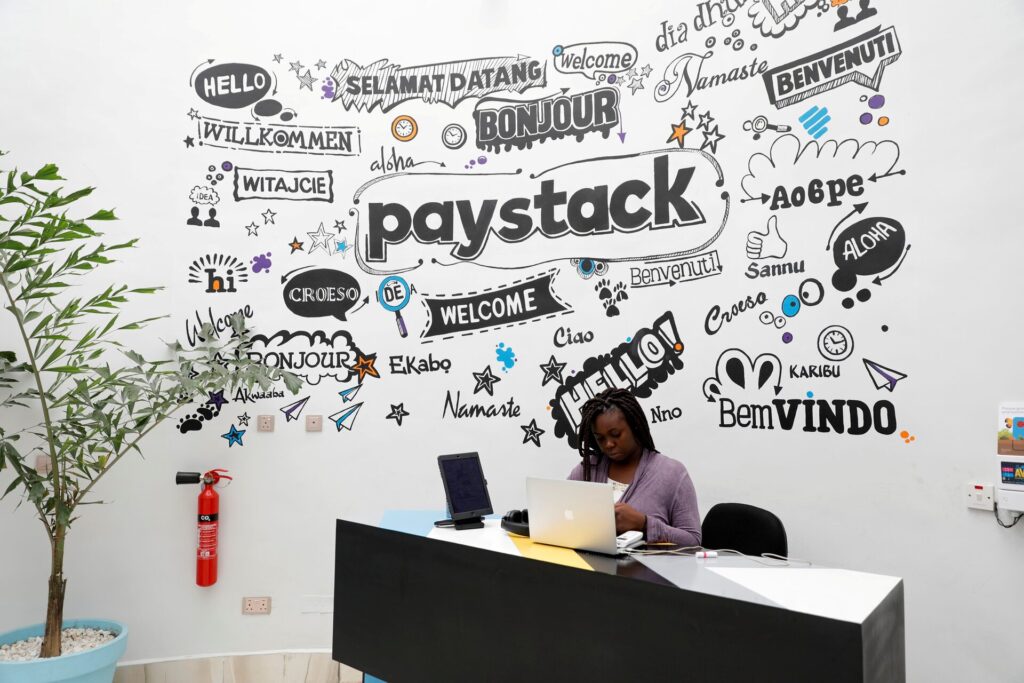
This is a recent and powerful African example . In 2025, a Nigerian fintech giant, Paystack, launched a product named “Zap.” A smaller crypto exchange, Zap Africa, claimed they had been using the name since 2023 and even filed trademarks across classes, including financial services .
The lesson here is about Trademark Classes. In trademark law, your protection is divided into classes. Class 36 covers financial services. Zap Africa filed for that class just weeks before Paystack’s launch . The dispute escalated, with both sides sending cease and desist letters. The case highlights:
- First-to-File Rule: Nigeria follows this rule. Whoever files first has a major advantage .
- The Importance of Filing Broadly: You must file trademarks across all relevant classes to protect your name fully .
The Kenyan “Nairobi Pyrotechnics” Case
This case shows the danger of not registering a trademark . Two Kenyan companies fought over the name “Nairobi Pyrotechnics.” The High Court judge ruled that neither company owned the name as a trademark . One company later registered the trademark and filed a counterclaim for infringement. The lesson is clear: registering a company name does not give you brand ownership. You must register the trademark separately.
The South African Medicine Name Example
Even in highly regulated industries, naming is critical. In South Africa, the health regulator (SAHPRA) evaluates medicine names for safety, ensuring they are not confused with other drugs . A name can be approved as a trademark but rejected by SAHPRA, and vice versa. This shows that naming strategy must involve multiple levels of approval .
Best Practices and Final Advice
1. Start with a Fanciful or Arbitrary Word
Inventive, non-descriptive names offer the widest protection .
2. File Early and Broadly
Register your name and trademark as early as possible. As the Nigerian Zap case shows, delay can invite a competitor to “plant a flag first” .
3. File in Relevant Classes
Make sure you cover your core goods and services, but also consider adjacent classes. If you are a fintech, Class 36 is non-negotiable .
4. Police Your Brand
Use watch services and monitor the market for look-alikes . If you see an infringement, act quickly to protect your goodwill.
5. Follow Ghana’s Rules
- For Companies: End with “Ltd” .
- Use the ORC portal: Reserve your name for GHS 100 before registration .
- Consider ARIPO: For regional protection, Ghana allows filings through the African Regional Intellectual Property Organization (ARIPO) and is a member of the Madrid Protocol for international trademark protection .
Conclusion
Naming your business is the first strategic decision you will make. It is a decision that has legal, marketing, and competitive implications. In Africa’s dynamic business environment, a strong name is not a luxury—it is a necessity. As one expert put it, “Your brand deserves star billing, not a cameo in someone else’s sequel” . Take the time to choose a unique, meaningful name, and more importantly, take the legal steps to protect it. Your future self will thank you.