




What Branding Actually Is (And Isn’t)
Branding Beyond the Logo
For many small business owners in Ghana, “branding” means getting a nice logo from a graphic designer or running a radio advert. While these are branding tools, they are not the brand itself. This misunderstanding leads many to invest in marketing before they are truly ready, and they wonder why they don’t see a lasting return.
Walk through any market in Accra, Kumasi, or Takoradi, and you will see countless businesses with beautiful signs and colourful packaging. Yet ask ten customers what those businesses stand for, and you will likely get ten different answers, or worse, blank stares. This is the branding gap: the space between having a visual presence and having a meaningful reputation.
The Core Definition
Think of your brand as the reputation you earn in the marketplace. Jeff Bezos famously said, “Your brand is what other people say about you when you’re not in the room.” This is a powerful way to see branding because it shifts the focus from what you say to how you make people feel.
Branding is the process of strategically shaping that reputation. It’s the work you do to define who you are, what you stand for, and why a customer should choose you over the competition. It is a set of mental associations people have when they hear your business name. Is your brand associated with speed? Trust? Affordability? Excellence? These associations are your brand.
Consider this: when you hear “FanMilk,” what comes to mind? For most Ghanaians, it is not just frozen yoghurt. It is childhood memories, the iconic FanChoco, the yellow and red colours, the friendly vendor with the cooler box, and the feeling of refreshment on a hot afternoon. That collection of feelings, memories, and associations—that is the brand. The product is just frozen dairy; the brand is everything else.
To build a strong brand, you need to understand its building blocks. A robust brand is made up of several layers that work together like the strands of a kente cloth—each one important, but together they create something far more valuable.
Key Components of a Brand
1. Brand Identity: What You Want to Be Seen As
This is what you want the customer to perceive. It’s your company’s desired image, including your visual assets (logo, colours, typography), your messaging, and your core values. It’s the promise you are making to the market.
Consider how Scent of Africa, a Ghanaian luxury fragrance house founded in 2016, has built its identity. The brand brings together international perfumery expertise with African cultural heritage. Its bottles, created in collaboration with Swiss-Ghanaian architect Kurt Merki Jr., feature a cap shaped like the African continent atop a globe-inspired base. “It symbolizes Africa at the center of the world,” explains Loice Muforo, Sales Manager at Scent of Africa .
2. Brand Image: What Customers Actually Perceive
This is what the customer actually perceives. It’s the reality of your brand in the mind of the public, shaped by their experiences, word-of-mouth, and how the media portrays you. A common mistake for SMEs is having a strong identity (e.g., “Premium Quality”) but a poor image (e.g., inconsistent product quality).
Imagine a food processing business that claims to offer “the finest quality gari” with elegant packaging and premium pricing. But if customers consistently find stones or inconsistent texture in the product, the brand image becomes “overpriced and disappointing.” The identity and image are misaligned, and the business suffers.
3. Brand Personality: Your Brand as a Person
Brands can have personalities, just like people. Is your brand a wise, trusted elder? A youthful, energetic trendsetter? A caring, nurturing friend? This personality dictates your tone of voice in all communications.
Look at Mind Snacks, the Ghanaian-owned granola brand. Founder Elizabeth Okoro states: “We’re not just selling granola; we’re promoting a lifestyle of joy and mindfulness” . The brand’s personality is joyful, mindful, and proudly Ghanaian. Signature flavours include “Ghanola,” a nod to Ghana, made with locally sourced ingredients including honey, mango, chocolate, cashew, and coconut .
4. Brand Culture: The Inside-Out Character
This is the character of the brand from the inside out. It is the system of values and behaviours shared by your employees. If you claim to be a “people-first” company but treat your staff poorly, this internal brand culture will eventually show.
Consider Peellnnova Limited Company, a Ghanaian social enterprise tackling malaria by producing eco-friendly mosquito-repelling products from fruit peel waste. Founded by students from KNUST, the company’s culture is built around public health, environmental sustainability, and local job creation. Their mission is to build “Healthy Home, Healthy Planet” through innovation rooted in local resources . This internal purpose-driven culture is what drives the brand’s credibility.
5. Brand Value Proposition: Why Should Customers Choose You?
This is a clear, compelling answer to the question: “Why should a customer buy from me?” It defines the unique benefit you offer, whether it’s speed, service, affordability, or a unique product feature.
Yaapee Royal Enterprise, a Ghanaian-owned food processing business, has a clear value proposition: making healthy, affordable, and accessible food available to working mothers, students, and busy families who care about quality and convenience. Their tagline, “Be Happy with Yaapee,” reinforces the emotional benefit of their products .
6. Brand Promise: Your Guarantee to Customers
This is the single, most important benefit you consistently deliver. It is the overarching guarantee you make to your customers. Every interaction should reinforce this promise.
Akosua Hosi Ltd, a women-led fashion brand launched in 2025, makes a brand promise that goes beyond the product: “We’re not just creating fashion; we’re preserving cultural traditions while empowering artisan communities in Ghana. Every piece tells a story of heritage, craftsmanship, and positive impact” .
What Branding Is NOT
Understanding what branding is not is just as important as understanding what it is. Many Ghanaian SMEs waste resources chasing the wrong things.
1. It’s NOT just a logo.
A logo is simply a symbol. A brand is the meaning and trust behind that symbol. Woodin is a perfect example. Although its parent company, Vlisco, is not Ghanaian, Woodin has become synonymous with vibrant African prints and creative self-expression across Ghana. The brand is not the fabric patterns—it is the cultural expression, the runway appearances, the global wardrobes, and the creative identity that Woodin represents .
2. It’s NOT just an advertising campaign.
Advertising creates visibility, but branding builds a relationship. You can have visibility without memorability. A brand that runs a massive radio campaign but delivers inconsistent service is like a man who dresses beautifully but has no character—people notice the clothes first, but they quickly see through the facade.
Take mPharma, the Ghanaian health-tech company founded in Accra. The brand was not built through advertising but through solving a universal challenge: access to affordable medicine. By managing prescription drug inventories for pharmacies and hospitals across multiple African countries, mPharma built a reputation so strong that it attracted backing from investors such as Goldman Sachs. The advertising came later; the brand was built on impact .
3. It’s NOT a quick fix.
Brand equity, the value of your brand is built over time through consistent performance and experience. It is an investment, not an expense.
Hubtel, Ghana’s first licensed Payment Services Provider under the new Payments Systems Act, didn’t become trusted overnight. The brand built its reputation through years of providing seamless digital transaction solutions, integrating with global platforms, and consistently delivering reliable service. Today, Hubtel is a case study in how African startups can shape digital economies.
Ghanaian Brands That Get It Right
Let us look at real Ghanaian-owned businesses across different sectors that demonstrate what branding truly means—beyond just logos and advertising. These examples show that branding works for businesses of all sizes when done with intention.
Mind Snacks – Branding Through Purpose and Lifestyle
Mind Snacks is a Ghanaian-owned granola brand that started in founder Elizabeth Okoro’s mother’s kitchen and has grown into one of the country’s most recognisable homegrown snack brands. It is now stocked in leading supermarkets such as Palace, Shoprite, Melcom, and MaxMart .

What makes their brand work:
- A Powerful Origin Story: The brand’s journey from a home kitchen to supermarket shelves is part of its identity. This story of growth, resilience, and purpose resonates with customers who want to support a homegrown success story.
- A Clear Purpose: Mind Snacks positions itself as promoting holistic wellness under the tagline “Healthy Food, Body and Mind.” Founder Elizabeth Okoro captures this: “This rebrand represents growth, resilience and purpose. With faith, focus and passion, anything is possible” .
- Authentic Ghanaian Identity: Signature flavours like “Ghanola” use locally sourced ingredients—honey, mango, chocolate, cashew, and coconut. This creates a brand that is rooted in Ghanaian creativity and flavour .
- Emotional Connection: The brand is not just selling granola; it is selling a lifestyle of joy and mindfulness. This emotional connection builds loyalty that goes beyond price.
The branding lesson for SMEs: Mind Snacks demonstrates that branding is about purpose, resilience, and authentic storytelling. A clear purpose, combined with a relatable origin story, can create a powerful emotional connection with customers—even if you start from a kitchen.
Scent of Africa – Branding Through Cultural Heritage and Luxury
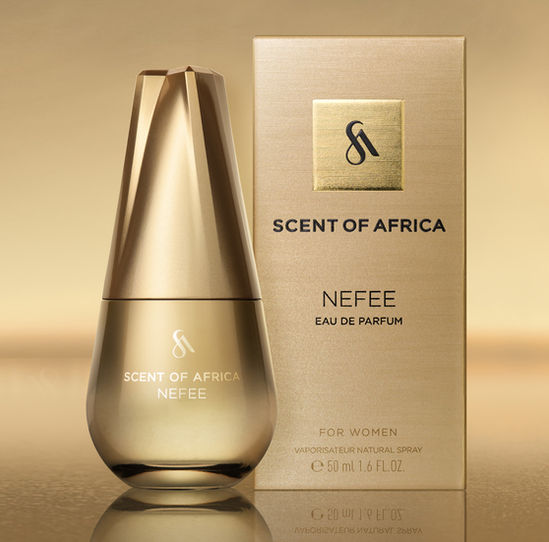
Scent of Africa is a Ghana-based luxury fragrance house with growing global ambitions. Founded in 2016 by Tanal Ghandour, the brand brings together international perfumery expertise with African cultural heritage .
What makes their brand work:
- Storytelling at the Heart: “Every creation begins with authentic African narratives,” notes Loice Muforo, Sales Manager. The brand draws inspiration from legends, myths, and cultural symbols, translating them into fragrance concepts that reflect the continent’s breadth and diversity .
- Rare African Ingredients: The fragrances highlight ingredients sourced throughout Africa’s unique terroir, including South African buchu, Egyptian cassie, Somali incense, and Madagascan black pepper. These rare materials create a sensory bridge between African tradition and modern luxury .
- Thoughtful Design: The bottles, created in collaboration with Swiss-Ghanaian architect Kurt Merki Jr., feature a cap shaped like the African continent atop a globe-inspired base. “It symbolizes Africa at the center of the world,” Muforo explains .
- Local Production and Sustainability: All fragrances are produced locally in Ghana, helping to shorten supply chains, create skilled jobs, and develop expertise within the region. The brand plans to introduce a refillable bottle option for 2026 to further reduce packaging waste .
The branding lesson for SMEs: Scent of Africa shows that cultural heritage can be a luxury asset. By celebrating African narratives, using local ingredients, and producing locally, the brand has positioned itself as a global player. You don’t need to be in New York or London to be a luxury brand—you can build that identity right here in Ghana.
Yaapee Royal Enterprise – Branding Through Authenticity and Accessibility
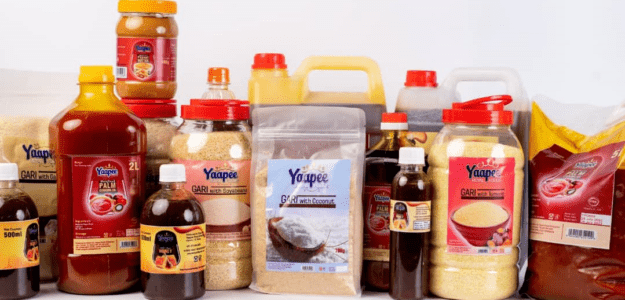
Yaapee Royal Enterprise is a Ghanaian-owned food processing business that specialises in producing high-quality palm oil, pure honey, natural peanut butter, and gari—staples in many African homes .
What makes their brand work:
- Clear Target Audience: The brand specifically targets working mothers, students, and busy families who care about quality and convenience. This focus allows Yaapee to tailor its messaging and products to meet their needs .
- Blending Tradition with Innovation: The brand ensures that products are not only wholesome and nutritious but also hygienically processed and attractively packaged. This bridges the gap between traditional food and modern expectations .
- Expansion Ambition: With a growing reputation for excellence, Yaapee aims to export to African markets and international shops where the demand for authentic African food is increasing .
- Customer-Centric Message: Their tagline, “Be Happy with Yaapee,” is simple, memorable, and focused on the customer’s experience.
The branding lesson for SMEs: Yaapee shows the importance of understanding your target audience and serving them well. When you know exactly who you are serving, you can build a brand that speaks directly to their needs. Authenticity and quality are timeless brand assets.
The Ghanaian Context: Culture as a Brand Asset
For Ghanaian SMEs, your brand must be culturally rooted. Research and expert commentary emphasise that integrating cultural symbols and identity into branding significantly impacts brand identity, awareness, and image .
Dr Linda Narh, a lecturer and coordinator at UPSA, argues that Ghanaian SMEs should embrace “Ghanaiantude” as a premium value proposition. “Your ingredients can be copied by a Nigerian competitor, but your story cannot. Local SMEs can market their products as ‘premium heritage’ goods rather than ‘mass-market’ goods by leveraging traditional Ghanaian knowledge, such as the specific way shea butter is made in the North or the herbal knowledge of the Eastern Region” .
Practical ways to incorporate culture into your brand:
- Tell Your Story: Can you tell someone in less than 30 seconds why your “Made in Ghana” label makes the product better? For example, “Our shea is hand-churned in Tamale for higher fat content” .
- Use Symbols Thoughtfully: Do your Adinkra or cultural motifs make the product feel more premium, or do they make it look cluttered? In export markets, subtlety often means higher value .
- Check Your Language: Does your brand name or Twi slogan mean something different in Swahili, French, or Arabic? Ensure your cultural references work across borders .
- Maintain Packaging Integrity: Does your “heritage” packaging meet international standards for durability and labelling? Your cultural identity should not compromise quality .
The concept of “Rooted Pan-Africanism” is what experts believe will drive success in 2026 and beyond. It is the right mix of Brand Nationalism (pride in where you come from) and Pan-African Appeal (being open to others). Your product should have a “Proudly Ghanaian” soul but offer “Continental” service .
Common Branding Mistakes by Ghanaian SMEs
Understanding what goes wrong can be just as helpful as understanding what goes right. Here are common branding errors made by Ghanaian SMEs:
Mistake 1: Playing It Safe (The Danger of Neutrality)
Many local exporters fear that being “too Ghanaian” might put off customers in Lagos or Casablanca. But staying neutral is the quickest way to become invisible in a competitive continental market .
The Fix: Embrace your Ghanaian identity as a premium value proposition. When you try to beat big companies by lowering prices, you’re fighting a losing battle. Instead, stand out through your unique cultural heritage .
Mistake 2: Inconsistency Across Touchpoints
A business might have a beautiful website but shabby physical premises. Or professional social media but unprofessional customer service. Every interaction with your business is a brand moment—inconsistency creates confusion and erodes trust.
The Fix: Audit every customer touchpoint—website, shop, social media, invoices, packaging, phone calls. Are they all telling the same story?
Mistake 3: Focusing on Features Over Benefits
Businesses often focus on what their product has (features) rather than what it does for the customer (benefits). “Our soap has shea butter and vitamin E” is a feature. “Our soap leaves your skin soft and glowing” is a benefit.
The Fix: Always translate features into benefits. What problem does your product solve? How does it make your customer’s life better?
Mistake 4: Neglecting the Digital Footprint
When someone in Cairo searches for your brand, do they find a professional website or just an inactive Instagram page? In the AfCFTA era, your digital presence is your global storefront .
The Fix: Ensure your brand has a professional online presence that tells your story and meets international standards for clarity and professionalism.
Mistake 5: No Clear Differentiator
Many SMEs cannot clearly answer: “Why should I buy from you instead of your competitor?” Without a clear differentiator, you compete on price alone, which is a race to the bottom.
The Fix: Define your unique value proposition. What do you do better or differently? Why should customers care?
Your Actionable Takeaway
Before you invest another cedi in design or advertising, define your brand’s core. This foundational work will guide every decision you make.
Step 1: Define Your Purpose
Why does this business exist beyond making money? What change do you want to create in the world? (Like mPharma’s purpose of making healthcare accessible or Peellnnova’s mission of building healthier homes.)
Step 2: Define Your Promise
What single benefit do you guarantee every single customer? Make it simple, clear, and measurable.
Step 3: Define Your Core Values
What principles guide your decisions when no one is watching? Write down 3-5 values and test every business decision against them. (Like KoliKoWear’s commitment to training youth or Papa Oppong’s commitment to sustainability.)
Step 4: Define Your Personality
If your brand was a person, how would they talk? How would they dress? How would they treat others? Be specific. (Like Mind Snacks’ joyful and mindful personality.)
Step 5: Define Your Ghanaian Identity
How can you authentically express your cultural roots? What symbols, stories, or traditions can you incorporate without being tokenistic? (Like Scent of Africa’s use of African narratives and ingredients.)
Step 6: Test Everything Against Your Brand
Before you create a new product, run an ad campaign, or hire a new employee, ask: “Does this align with our brand?”
Conclusion
Your brand is not what you say it is—it is what your customers experience, remember, and share with others. A logo is just the beginning. Advertising is just one channel. Your true brand is built through thousands of small interactions, consistent quality, and a clear sense of purpose.
For Ghanaian SMEs, this is both a challenge and an opportunity. The challenge is that building a real brand takes time, discipline, and consistent effort. The opportunity is that in a market filled with brands that only pay lip service to branding, a business that genuinely lives its brand can stand out and earn lasting loyalty.
“Ghana’s small and medium-sized businesses should use the AfCFTA as a platform to stand out, not just fit in,” advises Dr Linda Narh. “True essence and heritage can’t be copied or automated. In this new era of trade, the best brands won’t be the ones that play it safe. Instead, they will be the ones who embrace their Ghanaian identity as their greatest strength” .
Build your brand with intention, rooted in your culture, consistent in your delivery, and clear in your purpose. That is how you create a business that customers trust, remember, and recommend.
In the next article of this series, we explore the foundation of branding: Starting from Within. We will examine why your internal culture, systems, and employees are your first and most important brand assets, using Ghanaian examples from education, retail, and professional services.