




The Art and Science of Naming in Branding
A World-Class Guide
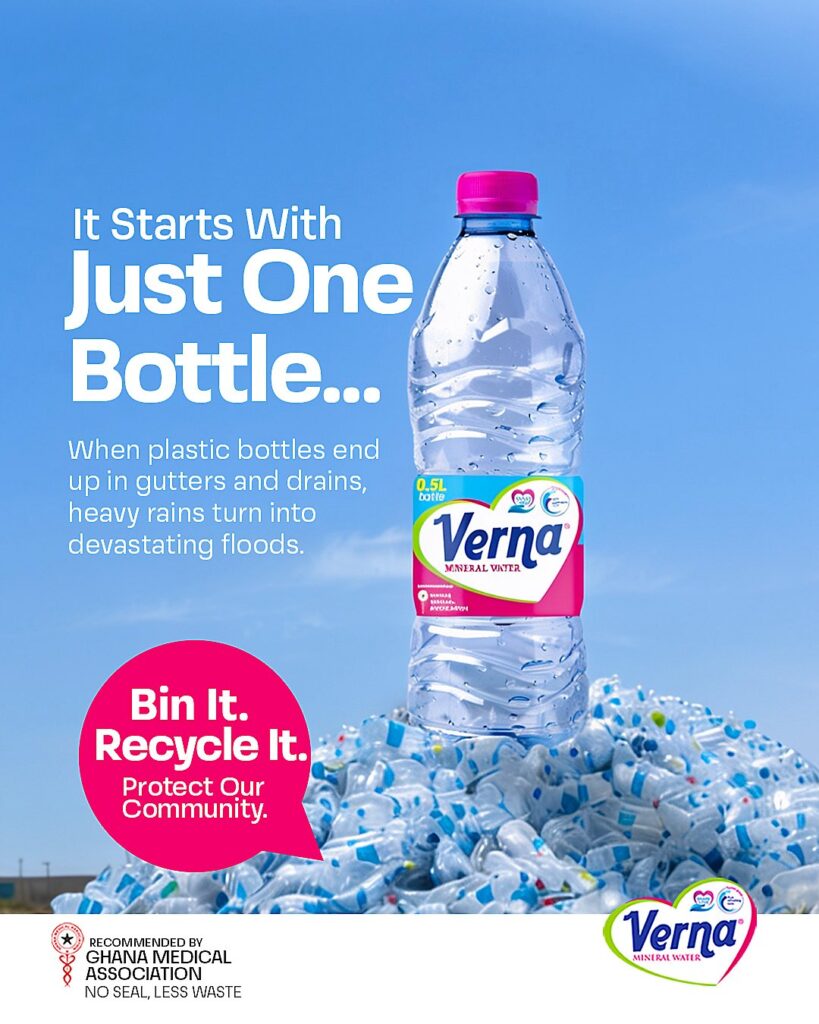
Think of a brand name. What comes to mind? For many, it might be the refreshing taste of a Verna Mineral Water on a hot afternoon, the energizing effect of a Rush Energy Drink, or the familiar comfort of a McBerry Biscuit. A brand name is far more than a label. It is a promise, a story, and a powerful marketing tool.
This article explores the critical role of naming in branding, using Ghanaian brands as relevant examples. We will break down the types of brand names, explain the strategies behind them, and illustrate their power with local examples. By the end, you will understand why getting the name right is often the first and most important step in building a successful brand.

What is a Brand Name?
A brand name is a word, phrase, or symbol that identifies and distinguishes a company’s products or services from those of its competitors. It is often the first point of contact between a business and a potential customer, making it a cornerstone of brand identity.
Why is a Brand Name Important?
- Creates First Impressions: A name is often the first thing a customer learns about a brand. It shapes their initial perception.
- Enhances Recognition: A memorable name makes it easier for customers to find and remember the brand.
- Communicates Brand Essence: Names can hint at what the brand does, its values, or its unique selling point.
- Builds Brand Equity: Over time, a name accumulates goodwill and trust, becoming a valuable asset.
A strong brand name is a powerful competitive advantage. As William Tewiah, founder of Ghanaian petroleum company ZEN Petroleum, shared in his business journey, he often gets asked if there is a deep meaning behind the name “ZEN.” For him, it was never the most important thing, but he acknowledges that “a strong name can enhance brand recognition.”
Key Naming Strategies: How to Choose a Brand Name
Brand names can be categorized into several distinct types, each with its own strategic intent. Understanding these categories is crucial for making an informed decision that aligns with your marketing goals and target audience.
1. Descriptive Names
Descriptive Names directly explain what the product does or what the company offers.
These names are functional and leave little room for ambiguity. However, they can be harder to legally protect and may lack distinctiveness. The key advantage is immediate clarity—customers know exactly what to expect.
Ghanaian Example:
- Wengeze Bitters: The name of this popular herbal tonic explicitly identifies it as a “bitters,” immediately communicating its category and purpose. Edem Kofi Dotse, the founder of 21 Root Herbal Products, chose this name to be clear about his product’s function. The name tells the customer what the product is before they even read the label.
Other Global Examples:
- The Body Shop (cosmetics)
- Toys “R” Us (toys)
- Pizza Hut (pizza)
Pros and Cons:
| Pros | Cons |
|---|---|
| Instantly clear | Difficult to trademark |
| Low marketing cost for explanation | Can limit brand expansion |
| Easy for customers to find | Often generic and forgettable |
2. Suggestive Names
Suggestive Names hint at a product’s benefits or characteristics, but require a bit of imagination from the consumer.
They are more evocative and can create a sense of intrigue, making them more memorable and easier to trademark than purely descriptive names. These names work by association—they suggest a feeling, benefit, or experience without stating it directly.
Ghanaian Example:
- Rush Energy Drink: This name from Twellium Industrial Company suggests speed, energy, and vitality—perfectly aligned with the target audience seeking a quick boost. The name doesn’t say “energy drink” directly, but it powerfully suggests the benefit.
Other Global Examples:
- Netflix (suggests internet and films)
- Airbnb (suggests air mattress and bed & breakfast)
- Facebook (suggests connecting faces)
Pros and Cons:
| Pros | Cons |
|---|---|
| Memorable and evocative | Requires some interpretation |
| Easier to trademark | May not be instantly clear |
| Allows for brand storytelling | Can be misunderstood |

3. Arbitrary Names
Arbitrary Names are common words that have no inherent connection to the product they represent.
These names are highly distinctive and can be very effective for building a unique brand identity. They are also easy to protect legally. The power of an arbitrary name is that it brings its own meaning and associations to the product, creating a unique brand world.
Ghanaian Example:
- ZEN Petroleum: The word “Zen” suggests calmness, balance, or focus. These are not words typically associated with a petroleum company, making it a distinctive and memorable choice. The name creates a unique contrast that makes people stop and think.
Other Global Examples:
- Apple (computers)
- Camel (cigarettes)
- Amazon (online retail)
Pros and Cons:
| Pros | Cons |
|---|---|
| Highly distinctive | No inherent product meaning |
| Easy to trademark | Requires significant marketing |
| Allows for strong brand identity | Can confuse customers initially |
4. Fanciful Names
Fanciful Names are invented words—they don’t exist in the dictionary.
These are the most distinctive and protectable types of names. They are built from scratch to be unique to the brand. A fanciful name is a blank canvas—everything about the brand’s meaning must be built through marketing and customer experience.
Ghanaian Example:
- Twellium Industrial Company: This is a made-up name. It is unique and entirely associated with the company, making it a strong trademark. The name has no meaning outside of the brand itself.
Other Global Examples:
- Kodak (photography)
- Xerox (copying)
- Google (search engine)
Pros and Cons:
| Pros | Cons |
|---|---|
| Maximum legal protection | No existing meaning |
| Completely unique | Requires heavy marketing investment |
| Can become a generic term | Difficult to remember initially |
The Psychology of Naming: What Makes a Name Stick?
1. Sound and Phonetics
The way a name sounds matters tremendously. Research shows that certain sounds evoke specific feelings:
| Sound Type | Effect | Example |
|---|---|---|
| Hard consonants (K, P, T) | Power, strength | KitKat, Pepsi |
| Soft consonants (L, M, N) | Comfort, gentleness | L’Oréal, Nivea |
| Vowels at the start | Openness, approachability | Apple, Omo |
2. Meaning and Semantics
A study of Ghanaian herbal medicine names found that many brands use bilingual names, combining languages to broaden their appeal. This is a powerful strategy in multilingual markets where brands want to reach diverse audiences.
3. Memorability
A name must be easy to remember and recall. The Rule of 7 suggests that a person needs to encounter a brand name at least seven times before it sticks. Names that are short, rhythmic, or rhyming are easier to remember.
Naming and Legal Protection: A Crucial Connection
A brand name is only as valuable as its legal protection. Without trademark registration, a competitor can copy your name and erode your brand equity.
The Importance of Trademark Registration
A trademark gives you exclusive rights to use a name in connection with your products or services. In Ghana, the Registrar of Companies allows you to reserve a business name for 30 working days while you complete your registration. However, business name registration is not the same as trademark registration.
| Business Name Registration | Trademark Registration | |
|---|---|---|
| What it protects | Your business identity | Your brand name and logo |
| Scope of protection | Ghana only | Can be international |
| Legal rights | Prevents identical names | Prevents similar names |
| Required for | Operating legally | Enforcing brand rights |
Famous Trademark Disputes
The importance of trademark protection is evident in several high-profile cases:
- The Nigerian Zap vs. Paystack Case (2025): A Nigerian fintech giant, Paystack, launched a product named “Zap.” A smaller crypto exchange, Zap Africa, claimed they had been using the name since 2023 and had filed trademarks across relevant classes. The dispute highlighted the importance of filing early and broadly.
- The Kenyan “Nairobi Pyrotechnics” Case: Two Kenyan companies fought over the brand name, and the High Court judge ruled that neither company owned the name as a trademark. The lesson is clear: registering a company name does not give you brand ownership.
Naming Best Practices for African Businesses
1. Consider Your Target Market
Who is your customer? A name that appeals to one market may not resonate with another. The Ghanaian herbal medicine study found that many brands use bilingual names to appeal to both local and international customers.
2. Think About Expansion
Will your name work if you expand across Africa? Under the African Continental Free Trade Area (AfCFTA), experts suggest that Ghanaian SMEs should embrace their cultural identity rather than “neutralizing” it. Brands like Chocho Industries and the Alata Samina cooperatives have leveraged their “Ghanaian-ness” as a premium asset.
3. Avoid Being Too Descriptive
Descriptive names are easy to copy and hard to protect. A fanciful or arbitrary name gives you a unique identity that is harder for competitors to replicate.
4. Test Your Name
Before finalizing a name, test it with your target audience. Ask:
- Is it easy to pronounce?
- Does it have any negative meanings in other languages?
- Is it memorable?
5. Secure Your Digital Presence
Before registering your business name, check:
- Is the domain name available?
- Is the social media handle available?
- Are there any existing businesses with a similar name?
The Role of Visual Identity in Naming
While the name is the foundation, it is part of a broader visual identity. Research on footwear brands in Ghana found that elements like the brand name, logo, slogan, and even color were significant predictors of a new brand’s success.
The Golden Rule: A great name paired with great visuals is powerful. A great name paired with weak visuals is forgettable. A weak name paired with great visuals is limited.
Conclusion
Choosing a brand name is a strategic decision that sits at the intersection of marketing, law, and culture. A name is not just a label; it is an asset that, when chosen wisely, can build recognition, communicate value, and create a lasting connection with your audience.
In Ghana and across Africa, the practice is rich with meaning—from the descriptive and functional names in the herbal industry to the culturally resonant legacy names of new luxury brands. Whether you choose a descriptive name for clarity, a fanciful name for distinctiveness, or a legacy name for authenticity, the key is to be intentional.
Remember: Your brand deserves star billing, not a cameo in someone else’s sequel. Take the time to choose a unique, meaningful name, and more importantly, take the legal steps to protect it. Your future self will thank you.